
What This Covers
Immigration best practices are habits that prevent problems. They help you stay compliant, avoid fines, and maintain a clean record. Many visa issues arise from minor oversights that are easily preventable with proactive management.
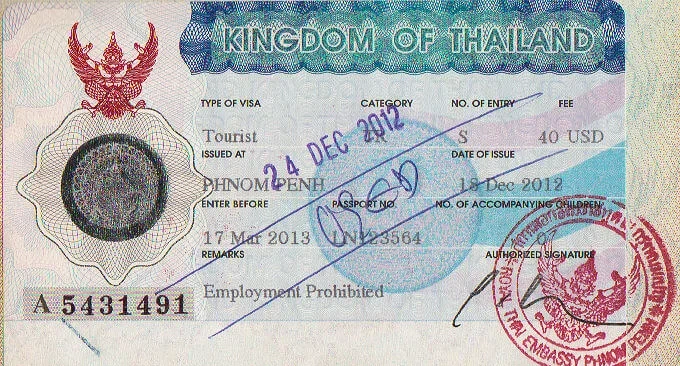
Passport Stamp Verification
The Critical Check: Immediate Review
Immediately after immigration stamps your passport, review every detail before leaving the counter. This is your only chance to catch errors in real time.
What to Check
- Entry date: Matches your actual arrival date. Errors here affect 90-day deadlines.
- Visa type: Stamp shows correct visa category (Tourist, Non-O, ED, etc.)
- Entry day restriction (if applicable): For tourist visas, confirm the expiry date (60 days from entry)
- Illegibility: Stamp is legible. If smudged, ask for clarification or re-stamp.
- Spelling: Your name is spelled correctly. Errors now compound in the system.
Do not leave the counter without confirming everything is correct. Correcting stamps later requires immigration office visits and time.
If You Find an Error
Alert the officer immediately. Say "Excuse me, I notice the stamp shows [error]. Can we correct it?" Officers will re-stamp if the error is their mistake. This takes 2 minutes now rather than weeks of correction later.
Record-Keeping: Digital and Physical
Create a File System
Maintain organized records of all immigration-related documents:
- Passport photos: Each visa stamp, TM30 filing, 90-day report, extension.
- Visa approval letters: Original emails from your school (ED visa) or embassy.
- Bank statements: Proof of funds, especially if you maintain a financial requirement.
- TM30 confirmations: If possible, get a confirmation receipt from immigration or landlord.
- Correspondence: Emails to immigration, replies, queries about your status.
Cloud Storage
Use Google Drive, Dropbox, or similar. This ensures:
- Access from anywhere, even if your physical passport is temporarily held
- Backup if your phone or computer fails
- Evidence of your legal status history
Name folders clearly: "2026 Immigration" with subfolders for each document type.
Physical Backup
Keep printed copies of critical documents (visa approvals, bank statements, TM30 confirmations) in a sealed envelope at home. Not all immigration officials accept digital files, even if legally valid.
90-Day Reporting Timing
Calendar Planning
Mark your 90-day deadline in your calendar immediately after arrival or visa extension. The deadline is 90 days from your entry or extension date, not 90 calendar days.
Example: Arrive January 10. Deadline is April 10. File between March 25 and April 10. Do not wait until April 11.
File Early, Not Late
File 90-day reporting 7–14 days before your deadline. Reasons:
- System backlog: Immigration queues grow toward month-end. Filing early avoids crowds.
- Processing delays: Online filing sometimes takes days to process.
- No penalty risk: Filing early eliminates any risk of missing the deadline.
- Officer availability: Mid-month officers are less pressured and more thorough.
Missing the deadline carries a 500 THB fine and potentially stricter scrutiny on your next visa transaction.
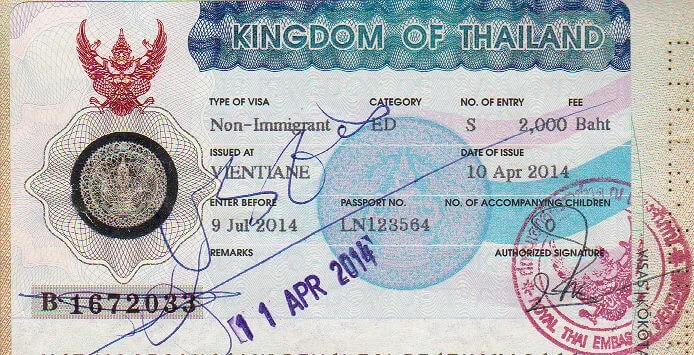
TM30 Address Registration: Proactive Confirmation
Your Responsibility
While your accommodation (hotel, landlord, property management) is legally required to file TM30 within 24 hours, your visa depends on it being filed. Do not assume it has been done.
Action Steps
- On arrival: Tell your hotel/landlord "Please file TM30 within 24 hours. I need to confirm it has been submitted."
- After 24 hours: Ask for confirmation. Hotels should provide a receipt or email. Private landlords should confirm in writing.
- If not filed: Do not wait. Go to immigration immediately with your accommodation owner or passport and address proof. File it yourself or have them do it that day.
- Keep proof: Screenshot or print any confirmation you receive from immigration or your accommodation.
TM30 missing = extension rejection. If you fail 90-day reporting or visa extension, immigration will check if TM30 was filed. A missing TM30 on record is grounds for denial. Confirm it is filed within days of arrival.
Visa Extension Planning
Know Your Extension Window
Visa extensions are typically allowed 30 days before your visa expires. Do not wait until your visa is expired to apply for extension.
- Example: Non-O visa expires June 15. You can extend starting May 15. File between May 15 and June 14.
- Emergency extensions: If your visa expired, emergency extensions are possible but carry penalties and scrutiny.
Gather Documents Early
28 days before your expiry, collect required documents (bank statements, address proof, photos). This gives you 2 weeks to gather them before the extension window opens.
Schedule Extension During Quiet Times
File early in your extension window (first 5–7 days), on a weekday morning, at a quiet immigration office (provincial offices are quieter than Bangkok). This reduces wait times and officer stress, often resulting in fewer questions.
Common Mistakes and How to Avoid Them
Mistake 1: Miscounting Your 90-Day Deadline
Solution: Write down your entry date and add 90 days on a calendar. Do not count calendar months (January–April is not 90 days; it is 91). Use a date calculator if unsure.
Mistake 2: Using Outdated Address for TM30 or 90-Day Report
Solution: If you change accommodation, file an address change (TM28) or update your registration immediately. Mismatched addresses can cause extension rejections.
Mistake 3: Claiming Employment or Business on Tourist Visa
Solution: Never mention work, even volunteering or freelancing, if on a tourist or Non-O visa without work permission. Simply say "I am a visitor" or "retired." An ED visa or work permit is the legal path for employment.
Mistake 4: Ignoring TM30 Responsibility
Solution: Treat TM30 as your responsibility, not your landlord's. Follow up within 48 hours of arrival. If unconfirmed, file it yourself at immigration.
Mistake 5: Filing Inconsistent Information
Solution: Keep answers consistent across all forms. If 90-day report says you work remotely, your visa extension must show the same. Inconsistencies flag you for investigation.
Related Visa Categories
- 90-Day Reporting (TM.47) – Mandatory for stays over 90 days. File on schedule.
- TM30 Address Registration – Due within 24 hours of arrival. Confirm immediately.
- ED Visa – Long-term option with clear compliance pathway. Simplifies record-keeping.
- Visa Extensions – Plan extensions during the allowed window to avoid emergencies.
For long-term stays, an ED visa simplifies compliance. Students have clear reporting requirements, school support, and fewer questions from officers.