
The Role of Food in Thai Society
Food is central to Thai social life. Meals are communal events that strengthen family bonds and create opportunities for connection. The phrase "gin khao" (eat rice) is synonymous with "eating a meal."
Core Flavour Profile
Thai cuisine balances four fundamental flavours: sweet, sour, salty, and spicy. Each dish typically includes elements of all four.
The Balance
- Spice from chillies
- Sourness from lime juice and tamarind
- Saltiness from fish sauce and soy sauce
- Sweetness from sugar and coconut milk

Regional Cuisine Variations
Northern Thai (Khao Soi Region)
Heavy use of curry, sticky rice, and limited use of coconut milk. Dishes often include herbs, leafy greens, and fermented ingredients. Khao Soi (curried noodle soup) is iconic.
Central Thai (Bangkok Style)
Balance of flavours with generous use of coconut milk. Dishes are refined and presented with attention to aesthetics. Tom Yum and Green Curry are famous central dishes.
Northeastern Thai (Isaan)
Spicy, robust flavours. Heavy use of fermented fish paste and lime juice. Sticky rice is the staple carbohydrate. Papaya Salad (Som Tam) is a defining dish.
Dining Customs
Communal Eating
Thais typically share multiple dishes, each person taking small portions. It is common to order 3-5 dishes for a group to share.
Use of Utensils
- Use a spoon as the primary eating utensil (not chopsticks for most dishes)
- The fork is used to push food onto the spoon
- Use your right hand for eating
- Chopsticks are used for noodles
Rice as Essential
Rice is the foundation of every Thai meal. In Thai culture, you "eat rice" for a meal, even if rice is a small part of it. Disrespecting rice is considered disrespectful to Thai culture.
Spice levels: Always ask for spice level before eating. Thai food can be extremely spicy. "Mai pet" (not spicy) is an acceptable request in restaurants.
Iconic Thai Dishes
Pad Thai
Stir-fried rice noodles with egg, tofu or shrimp, bean sprouts, and peanuts. Served with lime and chilli. Thailand's national dish.
Tom Yum
Spicy and sour soup with lemongrass, galangal, lime leaves, and lime juice. Often contains shrimp or chicken.
Green Curry (Gaeng Keow)
Creamy curry with green chillies, bamboo shoots, and basil. Rich coconut flavour with intense spice.
Som Tam
Spicy green papaya salad. Common in northeastern Thailand. A balance of spicy, sour, salty, and slightly sweet.
Satay
Grilled meat skewers with peanut sauce. Served as an appetizer or snack.
Food Etiquette
Accepting Food Graciously
Accept food offered to you, even small amounts. Refusing food can be seen as impolite or rejecting the hospitality of your host.
Finishing Your Plate
Leaving a small amount of rice in your bowl is acceptable. Completely finishing all rice can imply the food was insufficient.
Eating at Someone's Home
- Compliment the food
- Eat at least some of every dish offered
- Do not leave food on your plate as waste. only eat what you can
- Thank your host after the meal
Street Food Culture
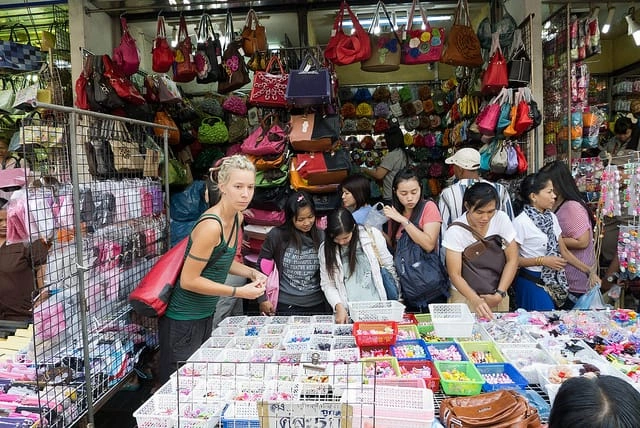
Street food is a way of life in Thailand. Vendors specialise in specific dishes, perfecting recipes over decades. Eating at street stalls is affordable, fresh, and an authentic cultural experience.
Eating Etiquette at Restaurants
- Do not expect hot water automatically. it is often served in a flask if requested
- Tipping is appreciated but not mandatory (5-10% is customary)
- Compliment the food to your server
- Always use your right hand when receiving change or bills
Last verified: March 2026