
Songkran Festival (April 13-15)
Thai New Year. One of Chiang Mai's most significant celebrations. Songkran marks the washing away of bad luck and the start of the Buddhist calendar year.
What Happens
- Water is splashed on people as blessing and goodwill
- Families gather for merit-making at temples
- Buddha images are gently bathed with water and flower
- Streets fill with celebrants spraying water in friendly atmosphere
- Special foods and sticky rice are prepared for family meals
Cultural Significance
Songkran represents renewal, purification, and respect. The water symbolises washing away the negativity of the past year.
Respectful participation: While water play is fun, always show respect when splashing elders. Temple areas during morning ceremonies should be treated as sacred spaces.
Yi Peng Lantern Festival (November)
Chiang Mai's most iconic festival. Thousands of paper lanterns are released into the sky at dusk as offerings and wishes for the future.
The Ceremony
- Sunset gathering at temples and designated festival areas
- Families light lanterns and write wishes or prayers
- Simultaneous release creates a sea of lights in the sky
- Music, chanting, and celebration throughout the night
Spiritual Meaning
Yi Peng represents letting go of negativity and sending hopes skyward. Each lantern carries the wishes of the person who released it.
Loy Krathong Festival (November)
Festival of lights on the water. Floating baskets (krathongs) are placed on rivers and waterways as offerings to water spirits.
Tradition
- Krathongs are made from banana leaves and wood, decorated with flowers and candles
- Families float them on rivers, ponds, and canals
- The water carries away negativity and carries wishes downstream
- Chiang Mai's Ping River becomes glowing with thousands of krathongs
Chiang Mai Flower Festival (February)
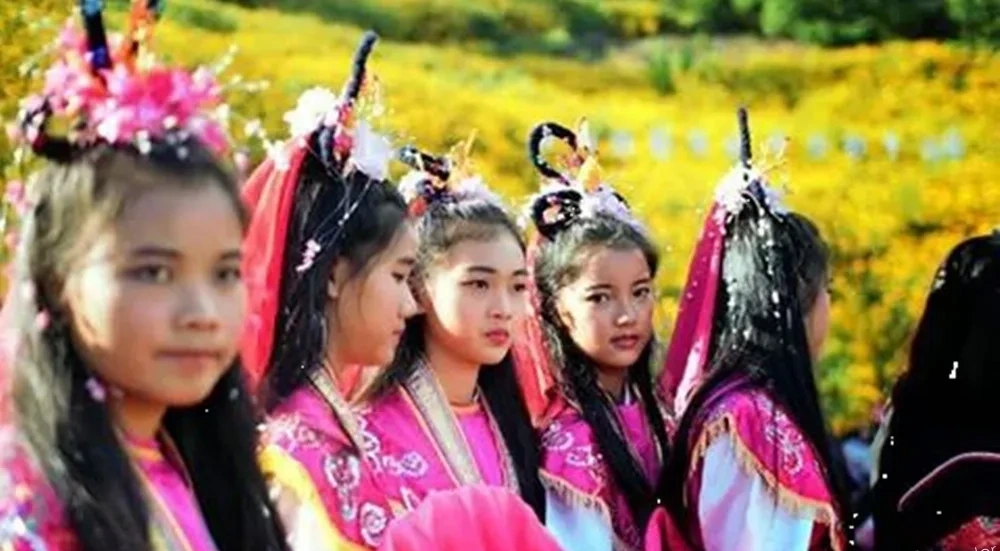
Three-day celebration of flowers with parades, floral displays, and cultural performances.
Events Include
- Floral floats in street parades
- Flower displays throughout Old City
- Cultural performances and music
- Market stalls selling flowers and plants
Visakha Bucha (May)
Celebrates Buddha's birth, enlightenment, and death. all on the same date by lunar calendar. A major Buddhist holiday.
Observances
- Buddhists observe precepts and meditate at temples
- Candlelit processions circumambulate temples three times
- Merit-making through donations and offerings
- Many Thais refrain from alcohol and meat
Asalaha Bucha and Buddhist Lent (July)
Marks the beginning of the Buddhist rainy season retreat (Vassa). Monks remain in monasteries for three months of intensive study and practice.
Loy Krathong (November) Boat Races
Traditional long-boat racing competitions on the Ping River. Teams of 20+ rowers compete in ornately decorated boats.
Cultural Events
- Traditional music performances during races
- Food stalls and market activities along riverbanks
- Community gatherings and celebrations
Temple Festivals
Individual temples celebrate their foundation days throughout the year with market fairs, merit-making, and processions. These festivals are important to local communities and worth exploring.
Night Markets and Street Food Festivals
Regular food festivals and night market celebrations occur throughout Chiang Mai. These are informal but vibrant cultural events featuring local food, crafts, and entertainment.
Planning Your Festival Visit
Best Practices
- Book accommodation well in advance for major festivals
- Dress respectfully during temple-related events
- Arrive early for lantern festivals. crowds are large
- Bring cash for market purchases
- Respect sacred moments during ceremonies
- Follow local guidance on water play safety during Songkran
Festival disruptions: During major festivals, some businesses may close or have altered hours. Plan accordingly, especially for food and transportation.
Last verified: March 2026