
The Thai Wai: Greeting with Respect
The "wai" is the traditional Thai greeting. Place your palms together at chest level and bow slightly. The higher your hands are held, the more respectful the greeting. Hold the position for a moment while making eye contact.
When to Wai
- Upon meeting someone, especially elders or people of higher status
- As a sign of gratitude after receiving service
- When entering or leaving a business
- When greeting monks or spiritual teachers
Reciprocal greeting: If someone wais you, wai back with similar hand placement. The wai is mutual respect, not one-directional.
Respect for Authority and Hierarchy
Thai culture places strong emphasis on respect for hierarchy and authority. Age, position, and status are important in social interactions.
Show Respect to Elders
Address older people with formal titles (Khun for both men and women, Pee for an older friend, Ajarn for a teacher). Avoid raising your voice or contradicting an elder in public.
Respect the Monarchy
The Thai royal family holds sacred status in Thai culture. Show respect by standing for the national anthem, treating royal images respectfully, and never criticizing the monarchy. Disrespect toward the king is illegal under Thai law.
Physical Contact and Personal Space
Thai culture is more reserved about physical contact than many Western cultures.
Avoid Unnecessary Touching
- Don't touch a Thai person's head. it is considered sacred
- Avoid touching someone's feet
- Public displays of affection between couples are uncommon; be modest
- Same-sex physical contact (holding hands, arm linking) is more common among friends and does not indicate romantic relationship
Sitting and Body Position
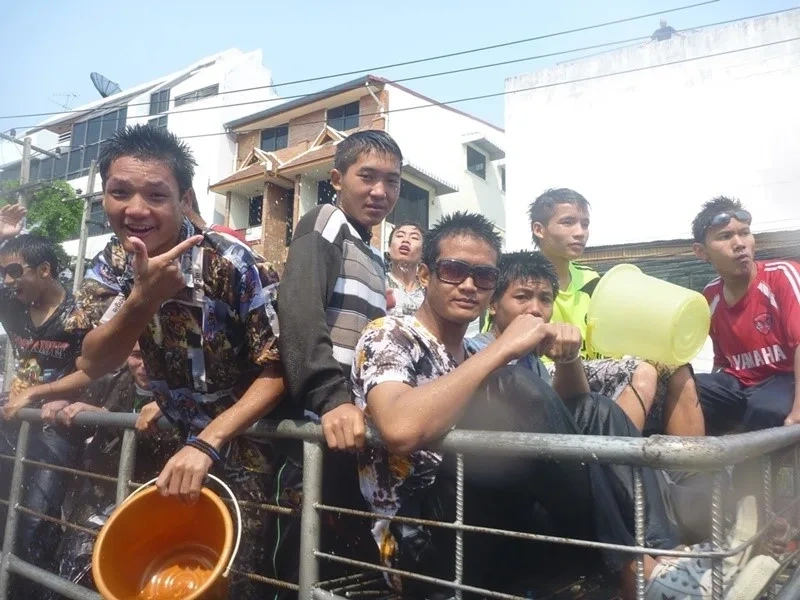
Body position communicates respect or disrespect in Thai culture.
Never Point Your Feet at a Person
Feet are considered the lowest and least respected part of the body. Never point your feet at a statue, image, or person. When sitting, tuck your feet under you or to the side.
Sitting Below Others
If someone is seated higher than you (on a dais, stage, or elevated seat), sit at a lower level if possible to show respect. This applies especially to monks, teachers, and elders.
Voice and Tone
Thai communication values calm, quiet speech and emotional control.
Speak Quietly and Calmly
Loud voices are associated with anger or disrespect. Maintain a calm, gentle tone even during disagreements. Raising your voice can cause the other person to lose face.
Losing and Saving Face
In Thai culture, saving face is crucial. Public criticism, confrontation, or correction causes people to lose face. Address problems privately and with gentleness. Never embarrass someone publicly.
Dress Code and Appearance
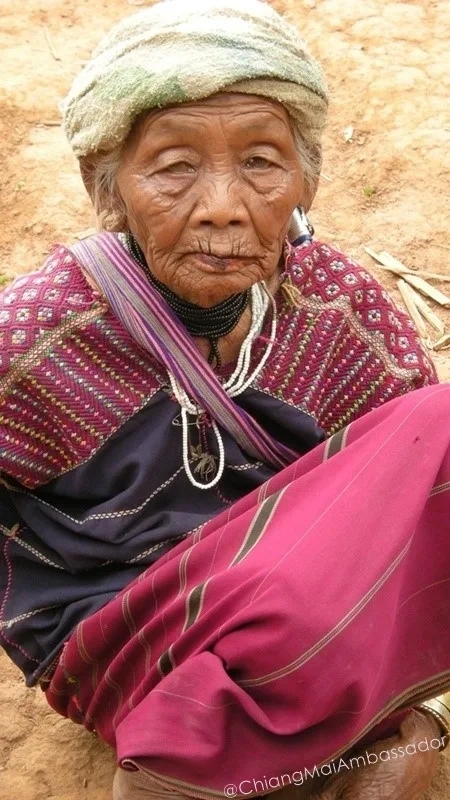
Modest dress shows respect for Thai culture and religious traditions.
General Dress Rules
- Wear clean, neat clothing in public
- Avoid very short shorts or skirts, especially outside tourist areas
- Cover your shoulders in temples and conservative settings
- Avoid wearing clothing with offensive images or slogans
- Remove your shoes when entering homes and some businesses
Eating and Dining Etiquette
Respectful Dining Behaviour
- Wait to be seated; do not choose your own table without permission
- If eating communal dishes, use a separate spoon for each dish
- Do not stick chopsticks upright in rice. it resembles a funeral offering
- Leave rice in your bowl if you cannot finish; finishing all rice suggests the food was insufficient
- Do not touch food with your left hand; the left hand is traditionally considered unclean
- Try all dishes offered, even small amounts, as refusing food can be seen as disrespectful
Giving and Receiving Gifts
Gift-giving follows specific customs in Thai culture.
Appropriate Gifts
- Avoid giving clocks (sounds like death in Thai)
- Avoid giving knives or sharp objects (symbolize severing relationships)
- Avoid giving flowers in certain colors. yellow and white are associated with mourning
- Present gifts with both hands
- Wrap gifts nicely; presentation matters
- Do not expect immediate opening of gifts; respect is shown by waiting
Photography and Image Rights
Always ask permission before photographing people, particularly monks, children, or in sacred spaces. Some areas of temples prohibit photography entirely.
Last verified: March 2026